


Cepovett Group CSR Policy
At the service of corporate sustainability
Our CSR actions
The Group's CSR commitments
For several years now, CEPOVETT Group has been integrating sustainable development into the heart of its business strategy, operational processes and tools. The company's Corporate Social Responsibility (CSR) policy, supported by General Management, applies to the entire product life cycle: from design to the end of the life of professional clothing. Broken down into 10 areas of commitment to progress, it is a lever for mobilising teams, differentiating products and creating sustainable value.
CSR editorial

Marc Jacouton, Director of Sustainable Development and External Relations
Decarbonise or disappear: when SMEs and large corporations realise they breathe the same air!
Ten years after COP21, the reality is stark: emissions continue to rise, the planet is overheating, and promises are melting faster than glaciers. Nothing is slowing down. Worse still, some large corporations, proud of their carbon footprint, are suddenly becoming aware of the difficulty with their emissions in the famous Scope 3, that of suppliers — in other words, among the SMEs and mid-cap companies that form the economic fabric of the country. The tragedy? Their fate is now shared.
The blog
Discover our other CSR actions on the blog.

The Group's QSE documents
A continuous improvement approach to responsible economic performance and environmental protection.
Our commitment to sustainable development and quality.
Building together
Shared actions and commitments

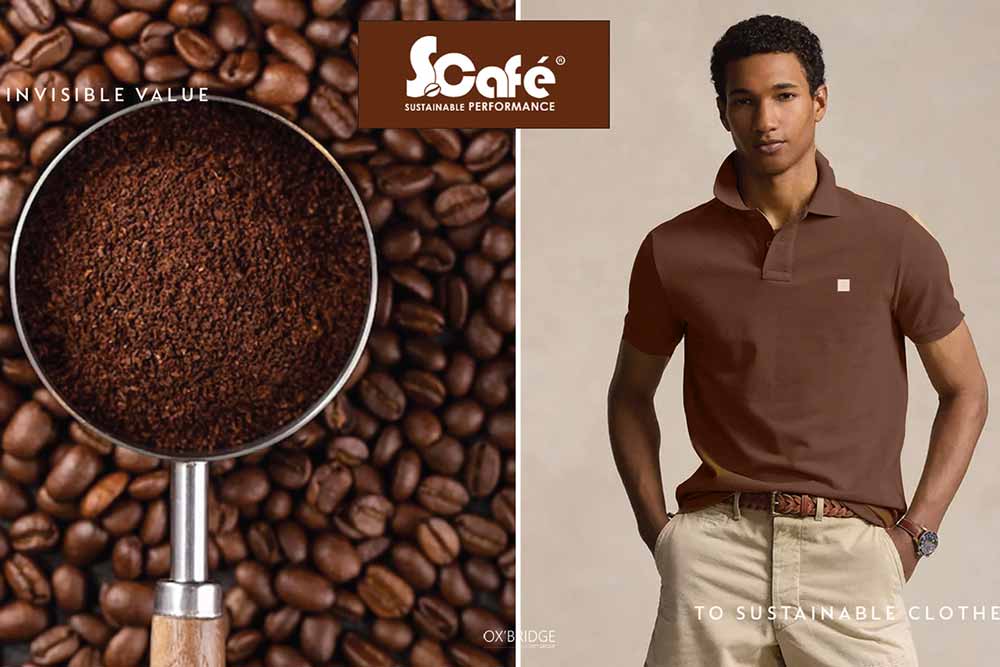
This Nespresso S-Café polo shirt embodies our commitment to increasingly responsible purchasing practices, in line with Nespresso's values of sustainability and innovation. Developed in close collaboration with our supplier, it demonstrates that it is possible to create a solution that is high-quality, desirable, sustainable, and economically viable.

Working hand in hand with our suppliers allows us to strengthen our business relationships in a sustainable way while tangibly reducing our Scope 3 carbon footprint. This collaboration also promotes the sharing of CSR best practices, creating a collective win-win dynamic that benefits the entire value chain.

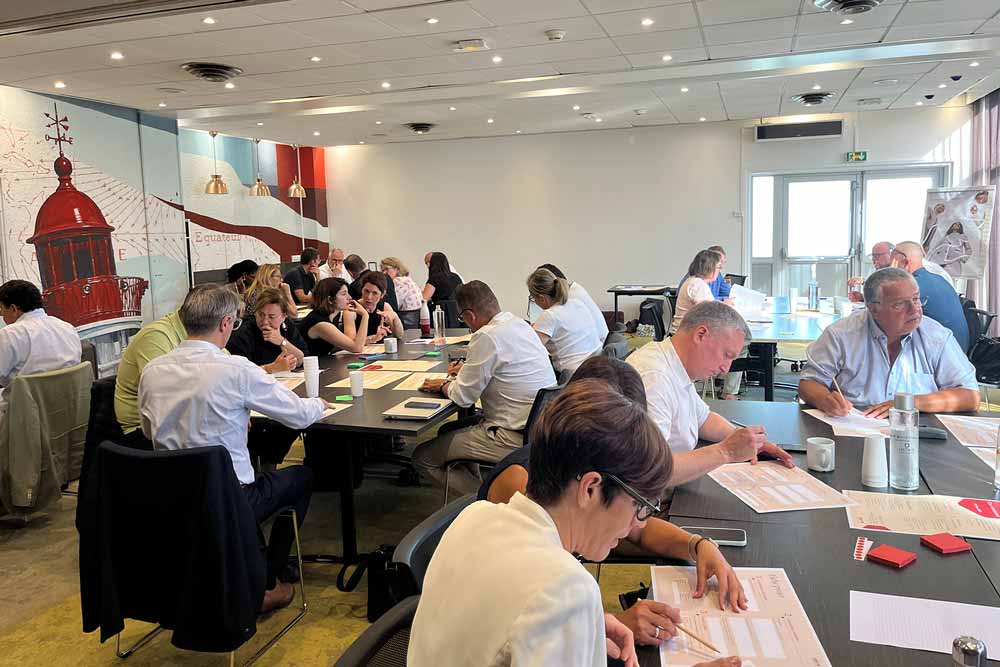
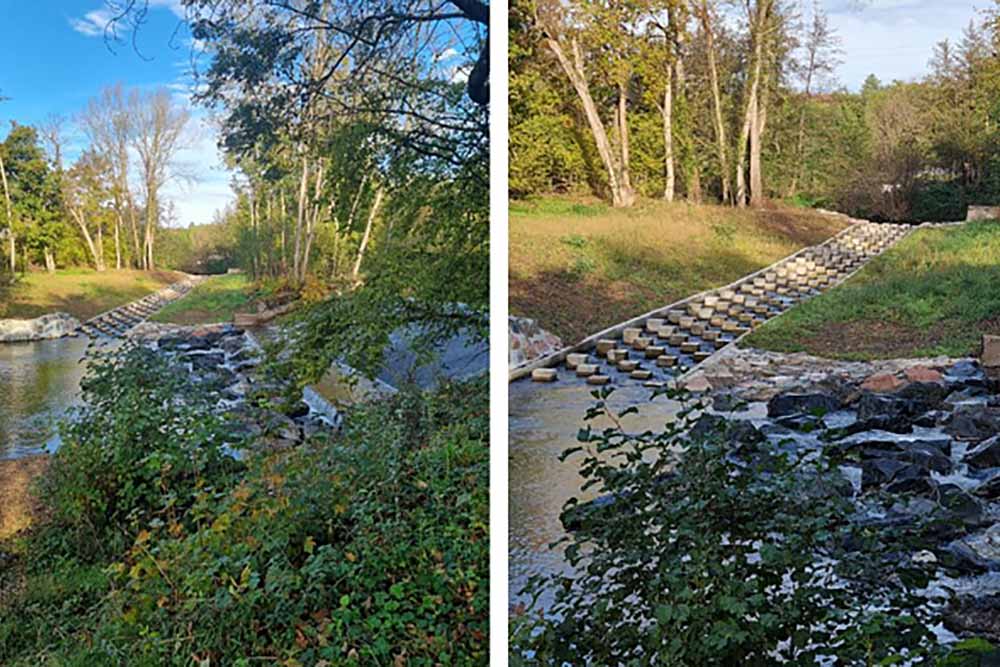
As an ecologist based in the Auvergne Rhône-Alpes region, I am proud to help CEPOVETT play its part in preserving life on Earth. My approach combines raising employee awareness of biodiversity, field observations, and pragmatism to transform these issues into genuine, operational actions.

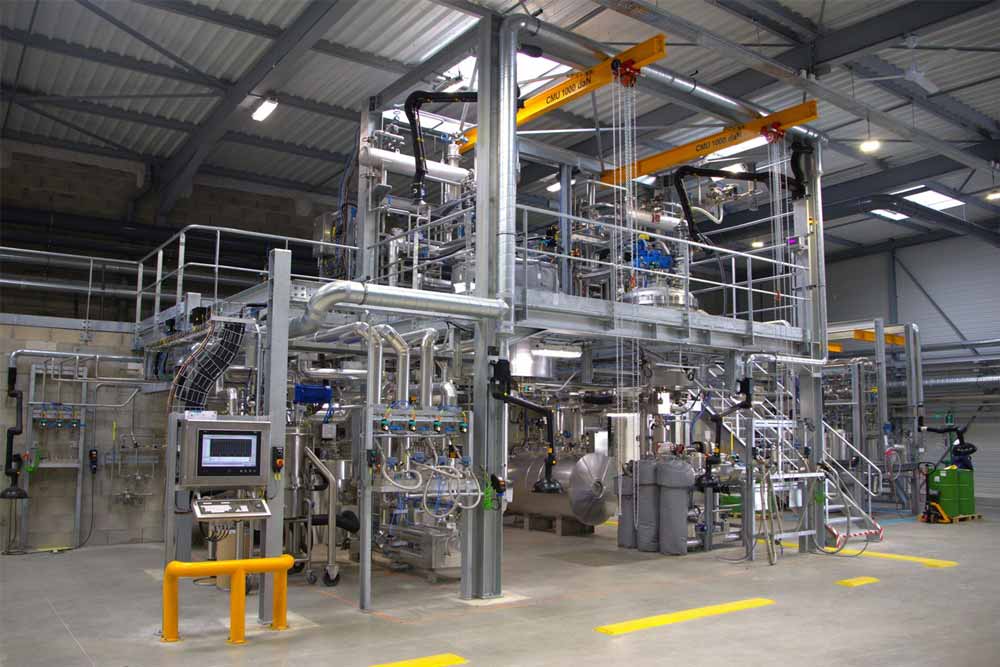
At Recyc’Elit, we have chosen to break new ground technologically by developing a molecular recycling process capable of separating complex polyester-based textiles to return to a virgin-quality raw material derived from waste and also to co-valorize the second separated material. Tomorrow, every polyester garment could become a resource.

Remplacer mon ancien véhicule thermique par un modèle électrique a transformé ma façon de me déplacer : même confort, mêmes performances technologiques, mais avec le silence en plus. C’est une véritable révolution en matière de mobilité, je ne reviendrai pas en arrière.

The real challenge is not talking about circularity, but making it industrial, scalable, and measurable. At Recover™, we transform textile waste into high-quality recycled cotton fibers, which we reintegrate into yarns to create new textiles. Our goal is to maximize recycled content without compromising quality, and to demonstrate that circularity can become the new standard in fashion.

By strengthening our supply chain with dedicated security tools, CEPOVETT improves the reliability of its operations while reducing its environmental impact. Our teams are becoming more efficient, and our customers benefit from a safer, more responsive, and more sustainable service.

We are delighted with this partnership between our association, which is deeply rooted in the region, and CEPOVETT, which forges concrete and supportive local ties. Together, we are enabling young people in the Beaujolais region to discover new professions and sectors and broaden their career prospects.

Our new uniform reflects our identity, illustrating Eurostar's heritage and our European spirit. It also makes a bold statement: we are proud to be inclusive and sustainable, and we affirm that at Eurostar, everyone has a place and is welcome.

CEPOVETT gave me a real opportunity for internal mobility. Over the years, I have held various positions that have allowed me to grow with the company, challenge myself, step outside my comfort zone, and develop new skills. The company trusted me to take on new challenges, and that trust has been a driving force in my commitment to my work throughout my career.